TL;DR:
Cloud-based and on-premise scale software both get the job done, but they support operations in very different ways. On-premise systems are installed locally and can work well for single-site operations with stable workflows and limited reporting needs. They offer a sense of control, but require internal maintenance and can make it harder to access data quickly or manage multiple locations. For most modern operations, cloud-based scale software is the better long-term choice. It provides real-time visibility, remote access, and easier management across multiple locations.
For years, on-premise scale software was the standard. It lived on-site, processed transactions reliably, and gave operators a clear sense of control.
That hasn’t changed.
But now many businesses are managing multiple locations, tighter margins, and higher expectations for visibility. Today’s truck scale and weighbridge operations move faster and rely more heavily on data. In that environment, is an on-premise scale system still enough, or is a cloud-based option the better fit?
Let’s break it down.
Where Scale Software Fits in the Weighing System
Truck scale software doesn’t operate in isolation. It sits at the center of your entire weighing process.
A typical weighbridge system includes the physical scale, indicator, and operator interface, but the software is what connects those components to the rest of the business.
It handles ticketing, stores transaction data, and feeds information into reporting, billing, and operational decisions.
As operations grow, the role of software becomes less about recording weights and more about managing the flow of information across the entire system.
Cloud vs On-Premise Scale Software: What’s the Difference?
At a basic level, the difference comes down to where the system is and how it’s accessed.
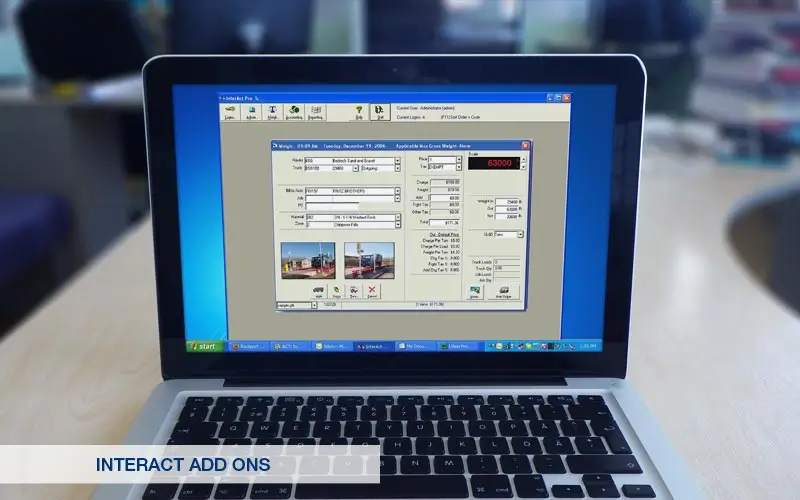
On-premise truck scale software runs locally, tied to your scale house computers or internal servers.
Cloud-based truck scale software runs on remote infrastructure and is accessed through a browser or application. Data is centralized and available from anywhere with the right permissions.
That may sound like a technical distinction, but in practice it shapes how quickly your team can access information, how easily you can manage multiple sites, and how much effort goes into maintaining the system.
Key Differences Between Cloud and On-Premise Scale Systems
Access and flexibility
On-premise systems are location-dependent. If you’re not connected to the local network, access becomes limited. Cloud systems allow authorized users to log in from anywhere, which changes how quickly decisions can be made.
Data visibility
With on-premise software, reporting often requires manual effort. Data is available, though not always easy to access in real time. Cloud systems centralize data and make reporting available instantly across the organization.
Maintenance and updates
On-premise systems require internal management. Updates, backups, and troubleshooting all fall on your team. Cloud platforms handle these processes automatically, which reduces the ongoing workload.
Multi-location operations
Managing multiple sites with on-premise systems can get complicated. Each location may operate independently, which makes reporting and standardization more difficult. Cloud systems on the other hand sync all locations in a single platform.
Reliability and downtime risk
On-premise systems depend on local infrastructure. Hardware issues or network failures can interrupt operations. Cloud systems are built with redundancy, which reduces the likelihood and impact of downtime.
When On-Premise Scale Software Still Makes Sense
There are situations where on-premise systems remain a practical choice.
If your operation is limited to a single location and your workflow is stable, the system may continue to perform adequately. You may not need remote access, and reporting requirements may be simple enough to manage locally.
In these cases, the system feels sufficient because it supports the current level of activity without creating obvious friction.
That said, it’s important to recognize what “working” means. The system may not be limiting you today, though it may not support future changes without added effort.
When Cloud-Based Scale Software Becomes the Better Option
As operations grow or become more complex, the limitations of on-premise systems tend to surface.
Cloud-based systems become more relevant when your business depends on speed, visibility, and coordination across locations.
This shift often happens when:
- You need access to data outside of the scale house
- Reporting delays begin to affect decisions
- Teams rely on manual processes to share or consolidate information
- Multiple locations need to operate within a consistent system
In these situations, the benefits of cloud systems are less about convenience and more about removing barriers that slow the business down.
A Practical Way to Evaluate Your Current System
The most useful way to approach this decision is not by comparing features, but by looking at how your system supports your operation.
Consider how information flows through your business. If visibility depends on running reports, exporting data, or asking someone for updates, there is already friction in the process. If access to information is tied to a specific location, it limits how quickly decisions can be made.
For operations managing multiple sites, the question becomes even clearer. Are you working from a single, reliable source of truth, or stitching together data from separate systems?
Finally, it’s worth looking ahead. Growth increases the demands placed on your software. More volume, more locations, and more complexity require systems that can adapt without adding overhead.
The answers to these questions tend to make the right direction obvious.
The Cost of Staying on the Wrong System
One of the most common reasons businesses delay a transition is that the current system still works.
There’s no immediate failure forcing a change. But the cost is more subtle.
Decisions take longer because information isn’t immediately available. Teams spend time on manual tasks that could be automated. Visibility into operations is limited, which makes it harder to identify issues early.
Individually, these issues are manageable. Over time, they compound and create friction that slows the business down.
At a certain point, the system is too limited to support a scaling business.
Addressing Common Concerns About Moving to the Cloud
Concerns around control, security, and disruption are part of any system change.
Control often feels stronger with on-premise software because it’s physically on-site. In practice, cloud systems provide more flexibility in how data is accessed and managed, along with better visibility across the organization.
Security is another common concern. Modern cloud platforms are built with encryption, monitoring, and redundancy that typically exceed what most organizations maintain internally.
Migration requires planning, though it doesn’t have to disrupt operations significantly. A phased approach allows teams to adjust while maintaining continuity.
The more difficult challenge is often deciding when to move. Waiting too long can limit growth, while moving at the right time can simplify operations.
Final Thoughts: Choosing the Right Scale Software for Your Operation
There isn’t a single answer that applies to every business.
On-premise truck scale systems can still support stable, single-location operations with limited complexity. Cloud-based truck scale systems offer advantages that become more meaningful as operations expand and require greater visibility.
The decision comes down to alignment.
Your scale software should match how your business operates today and support where it’s going next. If your current system is creating delays, limiting access to data, or making growth harder to manage, it’s worth taking a closer look at what a cloud-based approach can offer.
At that point, the decision becomes less about preference and more about what your operation needs to move forward efficiently.
If your current system is limiting visibility, slowing decisions, or creating extra manual work, it may be time to explore a cloud-based approach. The right scale software should make your operation easier to run, not harder to grow. Book a demo with AWS to evaluate your setup and find the right path forward.